Major U.S. Retailers Remove Millions of Listings for Banned Chinese Electronics

WASHINGTON (Oct 10) — Millions of listings for illegal Chinese electronics have been pulled down by major online retailers in the United States after the Federal Communications Commission (FCC) initiated action for the safety of national security.

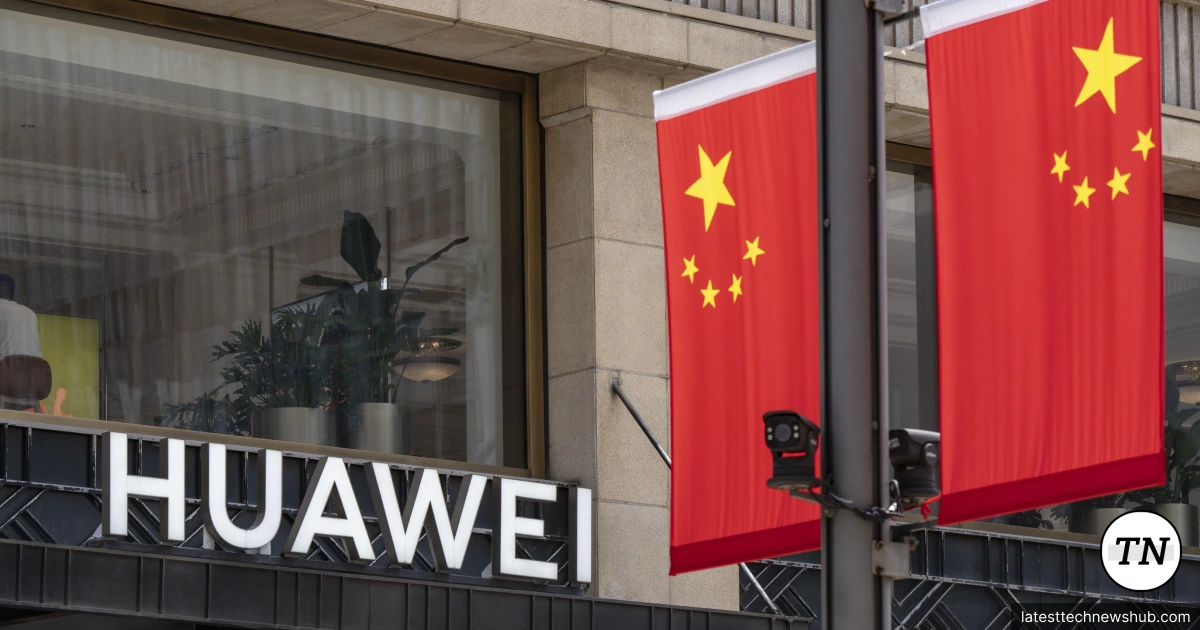
Brendan Carr, the FCC chair, confirmed that several platforms have indeed removed unapproved devices, including home security cameras and smartwatches from manufacturers like Huawei, ZTE, Hikvision, and Dahua Technology. The sweep targets products that either sit on the U.S. government’s restricted equipment list or that have never been formally authorized by the FCC.

“We’re going to keep our efforts up,” Carr said, indicating that retailers are setting up internal review systems so these products do not end up back on their websites.

Choking Down One National Security Threat After Another

The FCC recently issued a national security advisory to companies banning specific products, especially surveillance systems that may threaten issues concerned with data and privacy. Carr warned that the same equipment could allow foreign nations access to monitoring of Americans, disruption of communications networks, or the ability to damage critical infrastructure.

In the last couple of years, scrutiny against Chinese tech firms has been stepped up by governmental agencies in the U.S. touching on industries such as telecoms, semiconductors, and automotive electronics, with this current move being another attempt from Washington to barricade unauthorized Chinese tech from accessing the U.S. market.

Tighter Restrictions on Chinese Telecom Equipment

Earlier this week, the FCC proposed new rules to be adopted later this month to further restrain telecommunication hardware made by Chinese firms considered threats to national security.

The proposal due on October 28 will empower the FCC to revoke approval for previously approved devices that contain restricted components and also denies new authorizations for equipment linked to companies included in the “Covered List”.

The Covered List includes Huawei, ZTE, China Mobile, and China Telecom, all of which are already prohibited from selling new telecommunication equipment in the U.S. due to potential national security risks.

Investigations and Actions Continues

In March 2025, the FCC broadened investigations against nine Chinese companies under the Covered List. Those companies include Hytera Communications, Dahua Technology, China Unicom (Americas), and Pacifica Networks/ComNet.

The agency also initiated action to withdraw accreditation from seven testing laboratories owned or operated by the Chinese government last month, with the same concern for U.S. data exposure and oversight.

Meanwhile, Chinese authorities have yet to respond to the latest FCC enforcement actions.

Why It Matters

The most recent actions by the U.S. government illustrate rising geopolitical tensions between Washington and Beijing, especially regarding emerging technology and surveillance systems.

With more stringent regulation, officials hope to protect data privacy, sustain foreign influence, and strengthen domestic cybersecurity resilience, a priority as it is and may increasingly be, underpinned by digital infrastructure and connected devices.

❓ FAQs

Q1: Why did the FCC press the retailers of the U.S. to take off Chinese electronics?
The FCC has stepped up national security as its reason for finding some imported devices from Chinese manufacturers to be unauthorized or listed by the government as restricted.

Q2: Which firms products were banned?
The banned listings included those made by products from Huawei, ZTE, Hikvision, and Dahua Technology, among others that have connections with data and security risks.

Q3: What kinds of products were taken off the shelves?
Connected electronics primarily sold off by online retailers included home security cameras, smartwatches, and others that do not have FCC authorization.

Q4: What is FCC's Covered List?
It is a list of companies who are barred from marketing their telecom or tech equipment in the U.S. because it poses potential dangers in communication networks and privacy.

Q5: When will the new limitations go into effect?
The FCC will vote on October 28 regarding expansion of the rules regarding bans on devices containing previously allowed restricted components.

Q6: What is the impacts of this issue on US-China technology relations?
However, this sends a statement on the growing technology tensions brewing between Washington and Beijing as Washington's oversight on telecom, AI, and robotics becomes harsher due to related security concerns.


-----------------------------------------------------------

Categories:- AI & Machine Learning, Cybersecurity, Gadgets & Reviews, Startups & Business Tech

Latesttechnewshub is your go-to destination for the latest technology news, trends, and insights from around the world. We cover breaking tech updates, AI innovations, gadgets, software, startups, and digital trends—delivered in a clear, reliable, and easy-to-understand way.

Advertising latesttechnewshub

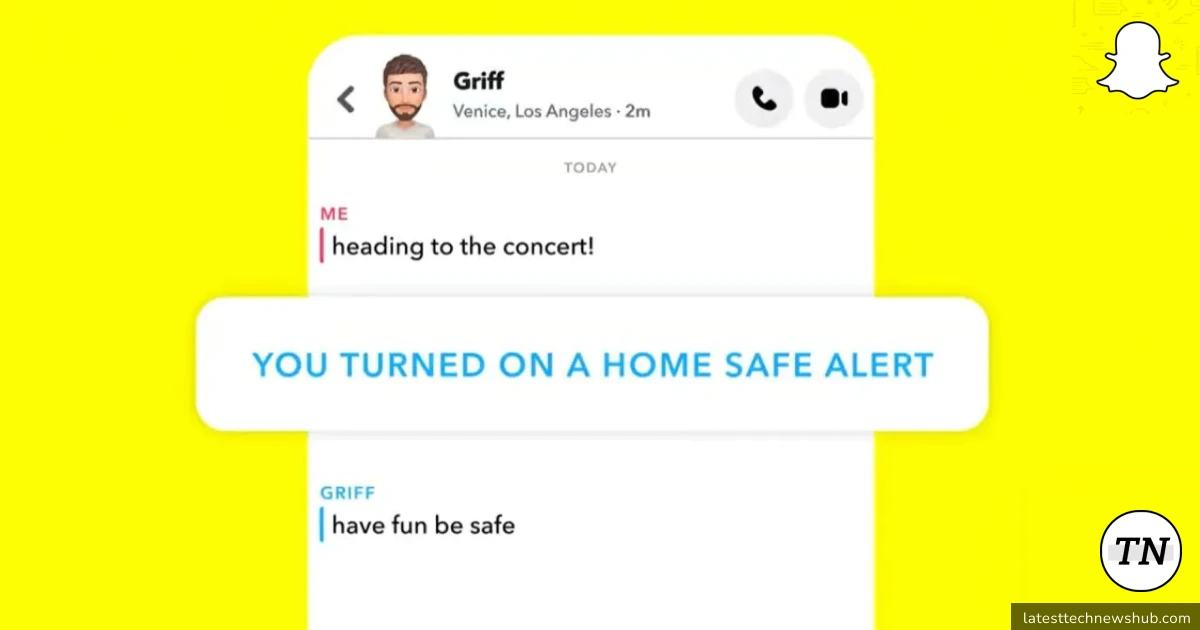
Snapchat now lets you inform others when you have arrived at your destination

The company has introduced its new location-sharing capability, which enables users to send automatic arrival notifications to their contacts when they visit any location except their home address.

The platform introduced its Arrival Notifications feature on Monday after launching its Home Safe alert system which enables users to create one-time or repeated arrival notifications for their chosen destinations.

Users can create arrival alerts through Arrival Notifications for their common destinations which include their school, work meetings, exercise sessions, and hotel stays. The Snapchat feature automatically informs a designated friend about the user’s arrival at their destination once the user activates it.

The Snapchat feature enables users to establish contact with others about their safe arrival home from trips and their return to scheduled weekly functions. The company shared in a blog post that the goal is to make check-ins effortless and stress-free. Privacy Still Comes First.

The user must select which friends to share their location with before they can access the Arrival Notifications feature which functions like Home Safe. A user must permit the disclosure of their location through Snap Map because the service operates with location sharing turned off until they allow specific people to see their whereabouts. The system provides one-time notifications, which become invalid after distribution or after a period of 24 hours.

How to Set Up Arrival Notifications

Users need to share their real-time location with a trusted buddy before they can access the feature. They must navigate to the friendship profile where they can select Arrival Notifications to mark their arrival at a specific location through the map interface.

Users can modify locations by using custom labels that include options like “run club,” “office,” or “piano class.” Users can then choose whether to send the alert as a one-time notification or to schedule it for automatic future delivery.

Advertising latesttechnewshub

Snap Map Continues to Grow

The company announced that Snap Map has surpassed 400 million active monthly users in Snapchat, showing its increasing significance to the application. The original Snap Map launch in 2017 enabled users to track their friends’ locations while discovering public snaps from global locations for viewing. The platform has transformed into a discovery tool which assists users in locating nearby entertainment venues and local activities.

Snapchat expands its features with Home Safe and Arrival Notifications to establish itself as a competitor against location-sharing platforms like Life360 and Apple’s Find My while maintaining its commitment to user privacy.

(Reporting at TechCrunch by Aisha Malik – Consumer News Reporter)

Related Stories

❓ FAQs

Q1: What are Snapchat Arrival Notifications?
Arrival Notifications let users automatically inform friends when they reach a selected destination.

Q2: How is this different from Snapchat’s Home Safe feature?
Home Safe alerts only notify when you arrive home, while Arrival Notifications work for any chosen location.

Q3: Can anyone see my location with this feature?
No. Location sharing is off by default and only works with friends you choose to share your location with.

Q4: Are Arrival Notifications one-time or recurring?
Users can choose either a one-time alert or a recurring notification for regular places.

Q5: How long do one-time alerts last?
One-time notifications expire after they are sent or automatically after 24 hours.

Q6: Does this feature work through Snap Map?
Yes. Arrival Notifications are part of Snap Map and require location sharing to be enabled.

-----------------------------------------------------------

Categories:- Software & SaaS, Startups & Business Tech

Latesttechnewshub is your go-to destination for the latest technology news, trends, and insights from around the world. We cover breaking tech updates, AI innovations, gadgets, software, startups, and digital trends—delivered in a clear, reliable, and easy-to-understand way.

2 thoughts on “Snapchat now lets you inform others when you have arrived at your destination”

Comments are closed.

Advertising latesttechnewshub

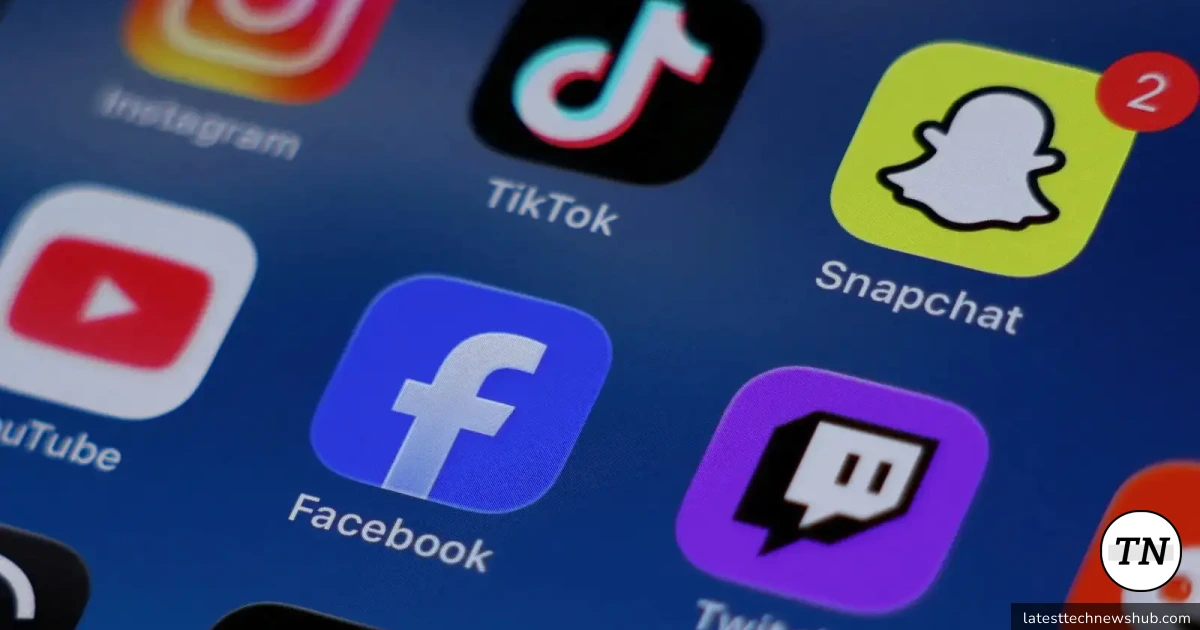
Instagram, YouTube addiction trial kicks off in Los Angeles

By Jody Godoy: LOS ANGELES, Feb 9 – The California state court started the trial which examines social media platforms’ liability for mental health damage caused by their addictive design elements on Monday. The case could become a turning point for how Big Tech companies are legally treated in lawsuits involving children and young users.

The 20-year-old woman K.G.M. who filed the lawsuit claims that Instagram and YouTube caused her mental health problems during her adolescence. She is suing Meta Platforms which owns Facebook and Instagram and Google which owns YouTube.

The court documents show that K.G.M. claims the platforms were built to make users stay online which led to her developing an addiction when she was still a child. She claims that continuous exposure to the content resulted in her developing depression and suicidal thoughts, and she believes that the companies should have informed users about these dangers.

Why This Case Matters

The jury’s verdict against Meta and Google would create a legal pathway for countless other lawsuits which will be filed throughout the United States. Tech companies have long relied on legal protections that shield them from responsibility for content posted by users. A rejection of that defense in this case could significantly weaken that shield—especially when claims focus on product design rather than user content.

Meta, Google, TikTok, and Snap are currently dealing with multiple lawsuits in California which include many cases filed by parents, school districts, and state authorities.

How the Tech Giants Are Defending Themselves

Meta and Google will argue that K.G.M. suffered from mental health problems due to factors that had nothing to do with social media platforms. The company intends to showcase their safety initiatives for young people while denying responsibility for dangerous user-generated content.

Internet companies can avoid liability for third-party content according to existing U.S. laws. The plaintiffs claim that their issue stems from the apps’ design which promotes compulsive usage rather than what users actually posted online.

Broader Legal Pressure Is Building

Federal courts currently handle over 2,300 lawsuits which have similar claims to this state case. The judge handling those cases needs to decide whether the companies can use their liability protections. The first federal trial could begin as early as June.

Meta CEO Mark Zuckerberg will testify at the California trial which is expected to last until March. K.G.M. has settled with TikTok and Snap who were involved in the case but now they have exited the legal proceedings.

Advertising latesttechnewshub

What the Jury Will Decide

The plaintiff’s legal team will prove that the companies were negligent and lacked proper user warnings and their platforms caused significant damage to users. The jury will determine damages for pain and suffering along with possible punitive damages if the plaintiffs win their case.

A Global Backlash Against Social Media

This case is part of a broader global push to regulate social media’s impact on children’s mental health. Australia and Spain have implemented social media access restrictions for users under 16 years old while other countries are considering similar actions.

The New Mexico state attorney general has accused Meta of enabling child sexual exploitation while making profits from such activities which will face legal action because of a separate high-profile trial that started Monday in Santa Fe.

The outcome of the Los Angeles trial will create a major shift in social media companies’ accountability because the worldwide legal investigations of social media companies are becoming more intense.

(Reporting at Reuters by Jody Godoy in Los Angeles, Courtney Rozen in Washington and Diana Novak Jones in Chicago; Editing by David Gregorio.)

Related Stories

❓ FAQs

Q1: What is the Instagram and YouTube addiction trial about?
The trial examines whether Instagram and YouTube caused mental health harm through addictive app design, especially among young users.

Q2: Who filed the lawsuit?
A 20-year-old woman, identified as K.G.M., filed the case against Meta (Instagram) and Google (YouTube).

Q3: Why is this trial important?
A ruling against the companies could allow many similar lawsuits and challenge long-standing legal protections for tech platforms.

Q4: What harm does the plaintiff claim?
She alleges that excessive use of the platforms contributed to depression and suicidal thoughts during her teenage years.

Q5: How are Meta and Google defending themselves?
They argue other life factors played a role and highlight their efforts to improve youth safety on their platforms.

Q6: Could this affect other social media companies?
Yes. A verdict against Meta and Google could impact ongoing lawsuits involving TikTok, Snap, and other platforms.

-----------------------------------------------------------

Categories:- Software & SaaS, Startups & Business Tech

Latesttechnewshub is your go-to destination for the latest technology news, trends, and insights from around the world. We cover breaking tech updates, AI innovations, gadgets, software, startups, and digital trends—delivered in a clear, reliable, and easy-to-understand way.

1 thought on “Instagram, YouTube addiction trial kicks off in Los Angeles”

Comments are closed.

Advertising latesttechnewshub

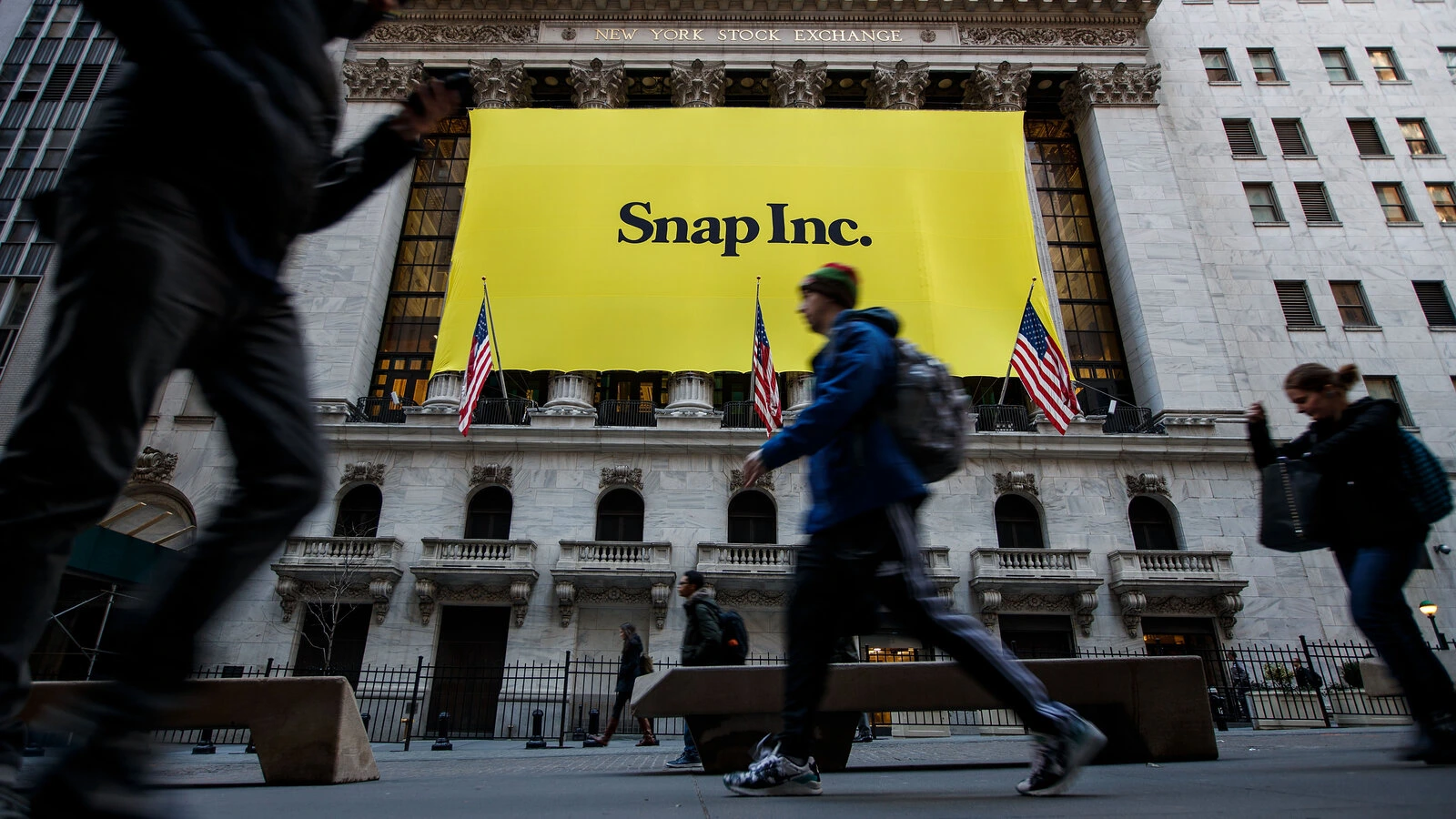
Snap forecasts quarterly revenue below estimates as ad competition hurts

Snap Inc. announced that its first-quarter revenue will fall short of what Wall Street had predicted because the company now faces stronger competition from major digital advertising companies which include Meta’s Facebook and Instagram.

The parent company of Snapchat has faced multiple difficulties during the past year because of changing U.S. trade regulations established by President Donald Trump and because of problems with its advertising system. These problems caused a major loss of trust among investors which resulted in Snap’s stock price dropping about 25% during 2025.

Advertisers now choose platforms that offer extensive worldwide accessibility which makes companies like Meta and TikTok their top choice because those platforms have more users. Snap showed positive trends in its advertising division despite facing tough competition from other companies. The company reported that its total active advertisers grew by 28% during the fourth quarter because of strong demand for direct response ads and newly introduced formats which included Sponsored Snaps and Promoted Places.

Snap announced that it has implemented platform-level age verification in Australia to meet new regulations which require users to be at least 16 years old. The platform removed more than 400,000 accounts as a result of this action.

Advertising latesttechnewshub

Snap predicts its first quarter revenue will fall between $1.50 billion and $1.53 billion which represents a decrease from analysts’ forecasted average of $1.55 billion according to LSEG data.

The company does not include Perplexity revenue which stems from a $400 million partnership that was revealed last year in its revenue projections. Snap stated that both companies have not yet settled on a complete distribution plan.

Snap expected its current quarter adjusted EBITDA to exceed market predictions. The company forecasts earnings between $170 million and $190 million which will exceed analyst projections of $177.9 million because it is focusing on stricter cost management and profitability.

Snap achieved a net income of $45 million during the fourth quarter which represents a major increase from the $9 million earned in the same period last year. The company reduced its total net loss for 2025 to $460 million which is an improvement from the previous year when it lost $698 million.

The company is expanding into new business areas which go beyond its core advertising operations. Snap has established its independent unit Specs to develop augmented reality smart glasses while continuing to create new revenue streams through its Snapchat+ subscription service. The number of service subscribers increased by 71% reaching 24 million during the fourth quarter.

Daily active Snapchat users increased by 5% from the previous year to reach 474 million while the company lost 3 million users since the last quarter.

The quarterly revenue which ended on December 31 increased by 10% to reach $1.72 billion which surpassed the analyst forecast of $1.70 billion.

This reporting is by Jaspreet Singh in Bengaluru and Editing by Krishna Chandra Eluri from reuters.

Related Stories

❓ FAQs

Q1: Why did Snap forecast revenue below Wall Street estimates?
Snap expects lower first-quarter revenue due to intense competition for digital advertising dollars from larger platforms like Meta’s Facebook, Instagram, and TikTok.

Q2: Is Snap’s advertising business still growing?
Yes. Despite revenue pressure, Snap reported a 28% increase in active advertisers in the fourth quarter, driven by direct response ads and newer formats such as Sponsored Snaps.

Q3: What impact did Australia’s age verification rules have on Snap?
Snap implemented platform-level age verification in Australia to comply with new regulations, which resulted in the removal of more than 400,000 accounts.

Q4: How is Snap improving profitability?
The company is focusing on tighter cost controls and operational efficiency, leading to an adjusted EBITDA forecast that is above analyst expectations for the current quarter.

Q5: What new revenue streams is Snap focusing on?
Snap is diversifying beyond ads by investing in augmented reality smart glasses through its Specs unit and expanding its Snapchat+ subscription service, which now has 24 million subscribers.

-----------------------------------------------------------

Categories:- Software & SaaS, Startups & Business Tech

Latesttechnewshub is your go-to destination for the latest technology news, trends, and insights from around the world. We cover breaking tech updates, AI innovations, gadgets, software, startups, and digital trends—delivered in a clear, reliable, and easy-to-understand way.

2 thoughts on “Snap forecasts quarterly revenue below estimates as ad competition hurts”

Comments are closed.

Advertising latesttechnewshub